

Purchase any WEBINAR and get
10% Off
CODE: SAVE10
T&C applicable, please referFAQ
Validity : 25th Jun'26 to 05th Jul'26
Claude is available through several products — the claude.ai chat interface, Claude Code for developers, Claude Cowork for non-developers, and the API for custom applications — and choosing the right model tier (Haiku, Sonnet, or Opus) for a given task meaningfully affects both speed and cost. This session opens with a practical walkthrough of that landscape before moving into the heart of the topic: the Model Context Protocol.
MCP is an open standard, now governed by the Linux Foundation, that lets Claude connect to external tools and data sources through a single, universal interface rather than a custom integration for every combination of AI model and tool. The session walks through exactly how an MCP request flows from a user's question to a tool's response, then provides hands-on configuration guidance for every major surface: adding custom connectors in claude.ai for individual and Team/Enterprise accounts, setting up local MCP servers in Claude Desktop via both Desktop Extensions and JSON configuration, and declaring MCP servers programmatically through Claude Code and the API.
The session closes with a security-first perspective on connector permissions, a practical troubleshooting reference for the most common configuration failures, and a clear set of actions attendees can take immediately after the session ends.
Most people use a fraction of what Claude can actually do. The gap between typing a question and having Claude search your files, run code, browse the web, and act inside your team's tools is almost always a configuration problem, not a capability problem. The Model Context Protocol (MCP) is the standard that closes that gap, and it now connects Claude to thousands of external tools and data sources.
This webinar is designed for two audiences at once: people who simply want to get more out of Claude in their daily work, and technical teams who need to configure, secure, and build MCP connections for their organization. Attendees will leave with a clear, working understanding of how to choose the right Claude model for a task, how to add and manage connectors safely, and how to troubleshoot the handful of issues that account for nearly every setup problem.
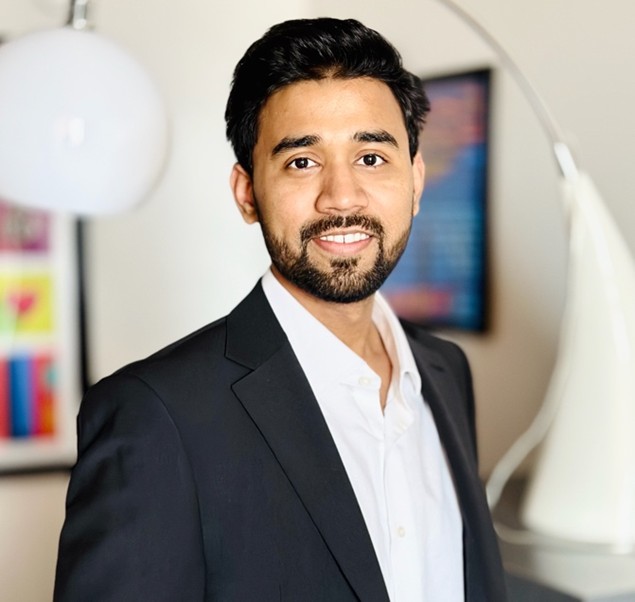
Mohammed is a security and DevSecOps professional with deep experience helping organizations strengthen their security posture across modern, cloud-native environments. His work centers on bridging security, engineering, and operations to enable scalable, resilient, and secure systems in complex enterprise ecosystems.
He is an active contributor to the global technology community and a frequent speaker at leading industry conferences and platforms, including DEF CON, Black Hat, KubeCon (Paris), ISACA, IANS, and Wallarm, among others. He is also regularly invited to serve as a technical session judge, where he brings practical insight and industry rigor to evaluating emerging ideas and innovations.
He maintains strong ties with academia and thought leadership. He contributes research associated with Harvard University, publishing work that advances discussions on modern security practices, governance, and risk management. He is a member of the Harvard Business Review Advisory Council, where he supports collaboration between industry and academia and promotes knowledge sharing and innovation.
His work has a global dimension through his role on the Global Advisory Board of VigiTrust Limited (Dublin, Ireland), where he contributes to international strategies in cybersecurity, data protection, and risk management. He holds numerous industry certifications that reflect the breadth and depth of his expertise in security and cloud technologies.
He is the author of Cloud-Native DevOps, a practical guide to building scalable, reliable, and secure cloud-native applications. The book draws on real-world experience to cover modern DevOps and DevSecOps practices, containers, CI/CD pipelines, and security integration in cloud-native architectures.
His areas of focus include cybersecurity, cloud-native technologies, DevSecOps, risk management, and the role of AI in cloud-native ecosystems. Beyond his professional work, he brings a range of interests and perspectives that inform his leadership and thought leadership.


